Proudly serving Phoenix, Scottsdale, Mesa, Chandler, Gilbert, Tempe & surrounding areasCall or Text 24/7: 480-264-9663
Aerial view of a residential neighborhood with saguaros and desert foothills in Phoenix, AZ.

Polyaspartic Floor Coatings and UV-Resistant Systems in Phoenix, AZ

Phoenix Epoxy Co. installs polyaspartic floor coatings for residential and commercial properties in Phoenix and across the Valley of the Sun. Our services include garage floor epoxy, decorative flake and metallic finishes, commercial and industrial coating systems, concrete polishing, concrete staining, and grind-and-seal floors. We match the coating approach to the slab, its exposure, and the traffic the space needs to handle. From garages in Ahwatukee and Arcadia to warehouses near Sky Harbor and retail floors in Desert Ridge, the work is planned for Arizona heat and sun.

Unshaded Phoenix concrete can reach surface temperatures well above 130-140°F, which can soften, blush, or yellow traditional epoxy faster. We prepare slabs with diamond grinding to an ICRI-recommended concrete surface profile and test for moisture where vapor drive is a concern. Aliphatic polyaspartic chemistry adds UV stability, heat resistance, and the flexibility to handle daily temperature changes. Our fast-track application methods and Arizona Registrar of Contractors licensing support a careful installation from assessment through cure guidance.

Polyaspartic can become walkable in roughly 4-6 hours and is typically ready for vehicle traffic within about 24 hours, allowing many residential garage installations to wrap in a single day.

Phoenix Epoxy Co. installs polyaspartic floor coatings throughout Phoenix and the greater Valley of the Sun, including Scottsdale, Tempe, Chandler, Glendale, Mesa, and Gilbert.

★ ★ ★ ★ ★4.9/5 Average Rating · 20+ Years of Experience · Thousands of Customers Helped · Licensed & Insured · Residential & Commercial

Polyaspartic Floor Coating Options & Benefits

What Is a Polyaspartic Floor Coating?

Polyaspartic is an aliphatic polyurea made when an aspartic ester resin reacts with an aliphatic isocyanate hardener. Standard epoxy instead relies on an aromatic amine cure, giving the two materials different behavior under sunlight and heat.

The aliphatic bond resists molecular breakdown from ultraviolet light, helping the coating retain its color and hardness on sun-exposed Phoenix slabs. That UV stability is especially useful for garages with south-facing doors, patios, and pool decks.

Its fast reaction speed also shortens the wait between application and use. Polyaspartic can reach a walkable state in as little as 4-6 hours, compared with 24 hours or more for epoxy.

Benefits of Polyaspartic Floor Coatings

A properly selected and installed polyaspartic system combines rapid curing with the protection Phoenix garages, commercial spaces, and sun-exposed slabs need.

  • Aliphatic chemistry resists UV yellowing and fading
  • Light-foot-traffic cure in roughly 4-6 hours
  • Vehicle-ready cure typically within about 24 hours
  • Resistance to hot-tire lift-off
  • Protection from motor oil and pool chlorine staining
  • Abrasion resistance for tools, jacks, carts, and foot traffic
  • Flexibility as desert slabs expand and contract
  • Common service life of 20-25 years when properly installed
Floor Coating Services

Polyaspartic Floor Coating Services

We build coating and concrete-finishing plans around the property's use, sunlight exposure, traffic, design goals, and existing slab condition rather than forcing every floor into the same system.

Residential Garage Floor Coatings

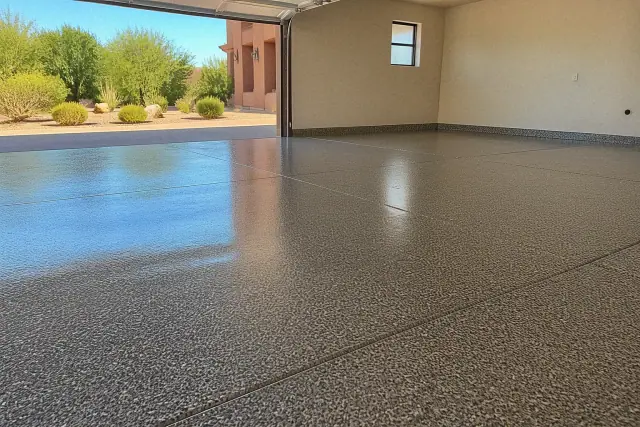
A high-gloss polyaspartic garage floor with concrete flakes in a Phoenix, AZ home, seen through an open garage door.

From a two-car garage in a 1970s Encanto ranch to a new-build three-car garage in North Phoenix, we grind, repair, coat, and finish the slab for heat, hot tires, tools, and daily use. Fast-cure chemistry lets most residential garage installations finish in a single day.

Request Estimate

Commercial and Industrial Flooring

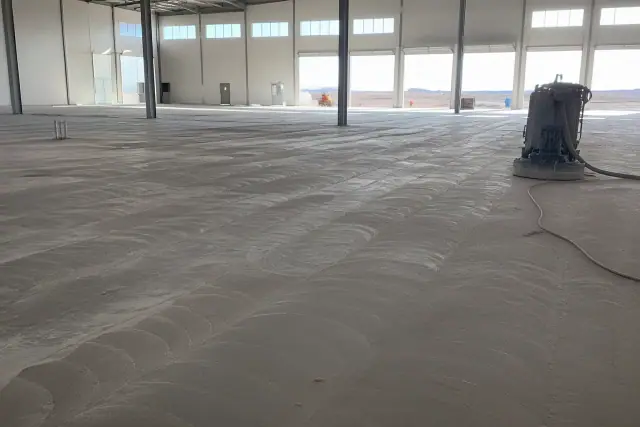
Unfinished concrete floor with grinder marks inside a logistics warehouse in Phoenix, AZ.

High-build polyaspartic and epoxy systems serve warehouses and manufacturing spaces around the Deer Valley and Sky Harbor industrial corridors. They are selected for forklift traffic, pallet jacks, chemical spills, loading-dock activity, and the need to return floors to service quickly, including work planned around a weekend shutdown.

Request Estimate

Showroom, Retail, and Restaurant Floors

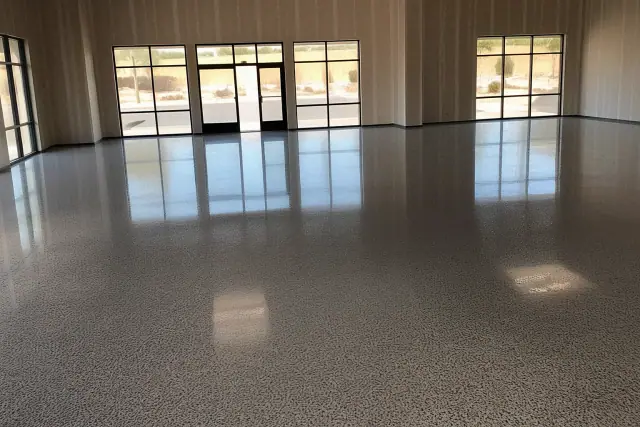
High-gloss polyaspartic floor in an empty retail space in Phoenix, AZ, with desert views through the windows.

Showrooms, retail floors, and commercial kitchens need a clean finish that withstands foot traffic, rolling carts, grease, sanitizing chemicals, and frequent cleaning. Slip-resistant additives can be broadcast into the topcoat where code or safety requirements call for added texture.

Request Estimate

Epoxy Flake Flooring

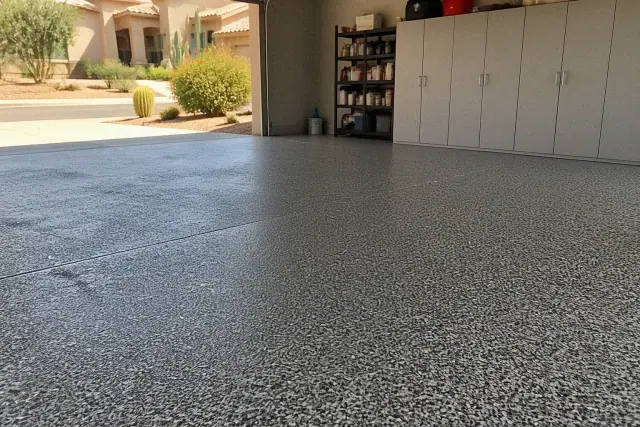
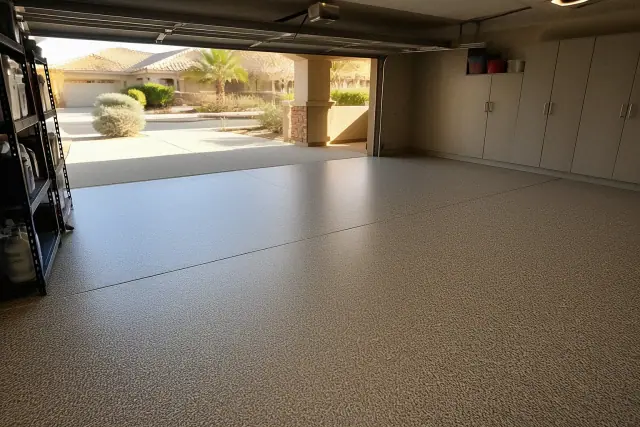
Completed epoxy flake flooring in a residential garage with desert views in Phoenix, AZ.

Colored vinyl flakes are broadcast into the base coat and sealed beneath a polyaspartic topcoat. The texture helps hide minor concrete imperfections, adds slip resistance, and offers dozens of color-blend combinations for coordinating a garage with the home's exterior or interior palette.

Request Estimate

Metallic Epoxy Flooring

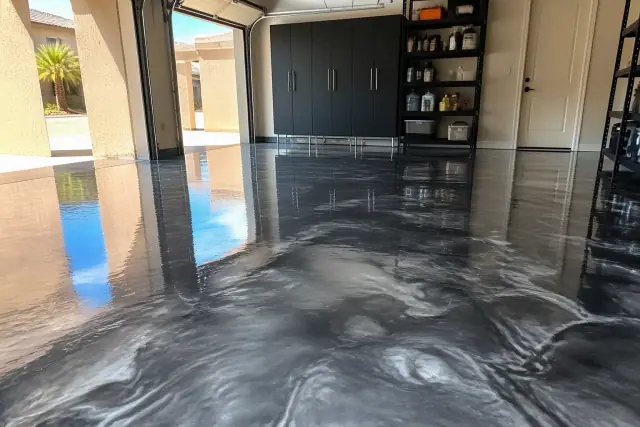
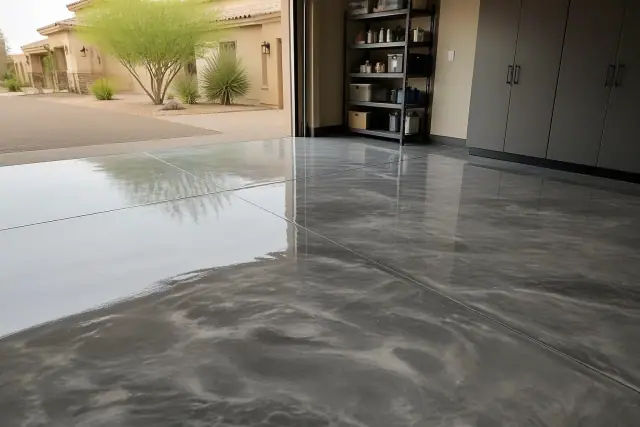
High-gloss metallic epoxy flooring installed in a residential garage in Phoenix, AZ.

Metallic pigments move and swirl as the resin is applied, creating a three-dimensional marbled appearance. Because the pattern forms from the pigment's real-time reaction, every pour is unique for showrooms and high-end residential garages in areas such as Scottsdale and Paradise Valley-adjacent properties.

Request Estimate

Concrete Polishing, Staining, and Grind-and-Seal

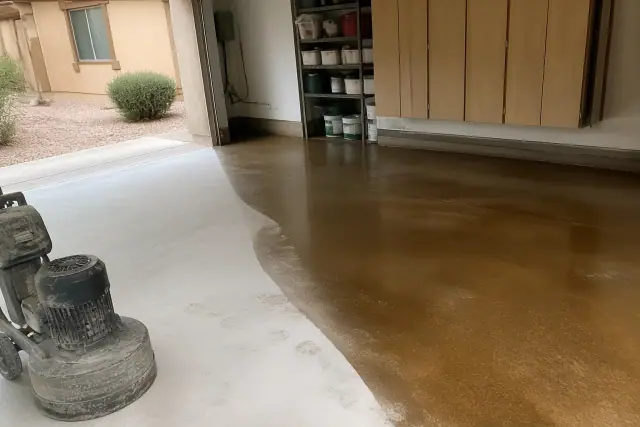
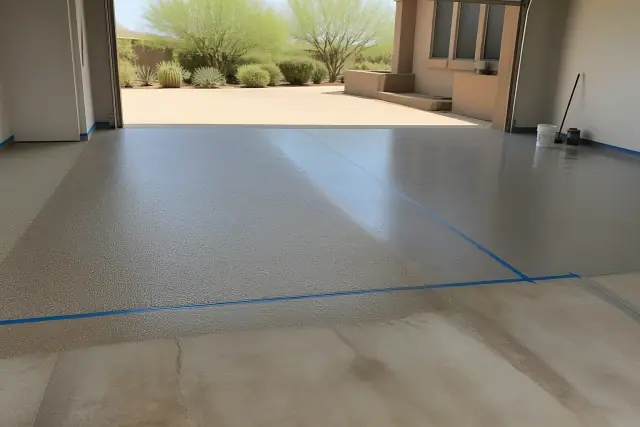
Concrete polishing and floor coating progress in a residential garage in Phoenix, AZ.

Concrete polishing, concrete staining, and grind-and-seal finishes provide alternatives for spaces that do not need a full coating system. They are also worth comparing when a lower-cost concrete finish better fits the property's use and design priorities.

Request Estimate
Floor Finish Options

Types of Polyaspartic and Epoxy Options

The right finish depends on whether the priority is uniform color, decorative texture, a custom marbled look, heavy commercial performance, or a budget-conscious solution for a shaded interior.

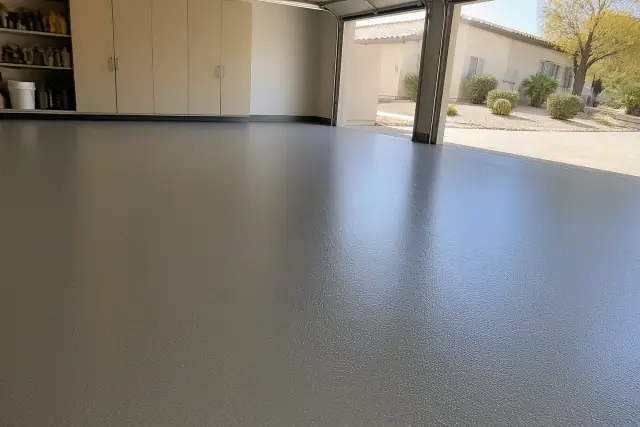
Solid-color polyaspartic floor coating in a residential garage with desert landscaping visible in Phoenix, AZ.

Solid-Color Polyaspartic Systems

A solid-color system creates a clean, uniform finish without decorative flake or metallic movement. Standard and custom-tinted colors make it adaptable to garages and commercial interiors.

  • Clean, consistent color across the floor
  • Standard and custom-tinted choices
  • Durable finish for residential garages
  • Uniform appearance for showrooms and retail
  • Practical option for commercial kitchens
Request Estimate
Completed decorative flake polyaspartic garage floor in a Phoenix, AZ residential home.

Decorative Flake Systems

A single-broadcast or denser flake finish adds color and texture before the floor is sealed with a polyaspartic topcoat. Flake density can be adjusted to the desired look and project budget.

  • Colored vinyl flakes broadcast into the base coat
  • Texture that helps conceal minor imperfections
  • Added slip resistance underfoot
  • Dozens of coordinated color blends
  • UV-stable polyaspartic topcoat
Request Estimate
Metallic epoxy floor with a high-gloss marbleized finish in a residential garage in Phoenix, AZ.

Metallic Epoxy Finishes

Metallic epoxy creates a custom decorative floor through pigments that flow and react within the resin. It is chosen when visual depth and an individualized pattern matter as much as surface protection.

  • Three-dimensional marbled appearance
  • Pigment movement creates a unique pattern
  • Custom look for showroom floors
  • Decorative option for high-end garages
  • Topcoat selected for the floor's exposure and use
Request Estimate
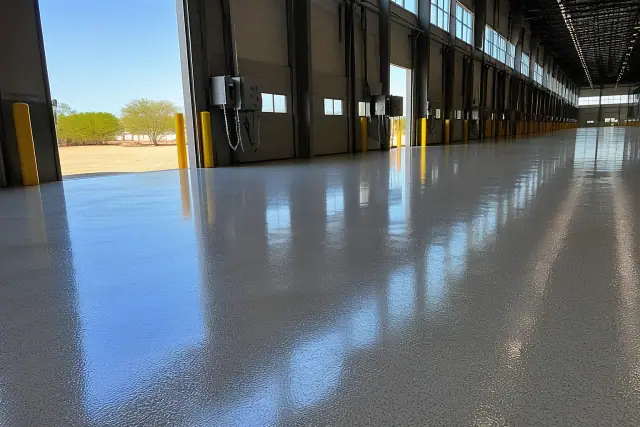
High-build polyaspartic floor coating in a logistics facility warehouse in Phoenix, AZ.

High-Build Commercial Systems

High-build systems combine preparation, coating thickness, and finish characteristics for demanding warehouse, manufacturing, restaurant, showroom, and retail use. Fast-cure materials help reduce facility downtime.

  • Built for forklifts and pallet jacks
  • Resistance to spills and cleaning chemicals
  • Durability for loading docks and rolling carts
  • Slip-resistant additives where required
  • Weekend-shutdown scheduling for faster return to service
Request Estimate
Technician applying epoxy and concrete-finish floor coatings in a residential garage in Phoenix, AZ.

Traditional Epoxy and Concrete-Finish Alternatives

Traditional epoxy can still fit shaded interior floors and budget-conscious projects where UV exposure is limited. Concrete polishing and grind-and-seal are additional lower-cost alternatives when a full coating system is unnecessary.

  • Typical epoxy pricing of $3-$6 per square foot
  • Typical epoxy cure of 24-72 hours per coat
  • Expected epoxy lifespan of 8-12 years
  • Best suited to shaded garages and interior floors
  • Polishing or grind-and-seal when a coating is not needed
Request Estimate
Finding Your Right Fit

Choosing the Right Floor Coating Approach

Choosing a system starts with the slab's condition, sunlight, traffic, safety needs, design goal, downtime, and budget. Those factors vary across Phoenix's 517.9 square miles of soil, construction, and exposure conditions, so we walk the concrete before recommending a solid color, flake, metallic, high-build, epoxy, polished, or grind-and-seal finish.

Climate-Specific Coating Selection

We account for Arizona sun, thermal load, hot tires, and whether a slab is shaded or exposed. That lets us use aliphatic polyaspartic where UV stability and heat resistance matter and compare other finishes when the conditions support them.

Diamond-Ground Surface Preparation

Every job begins by opening the concrete pore structure to an ICRI-recognized surface profile. Crack chasing, spall repair, cleaning, and moisture testing where vapor drive is a concern create a sound surface for mechanical adhesion.

Licensed Fast-Track Application

Our technicians are trained to coordinate around polyaspartic pot life measured in minutes rather than the hours common with epoxy. Phoenix Epoxy Co. also holds the licensing required by the Arizona Registrar of Contractors to perform this work legally and to code.

What Sets Us Apart

Why Choose Us for Polyaspartic Floor Coating Installation?

The coating is only as dependable as the assessment, preparation, and application behind it. We inspect the actual slab, explain how exposure and use affect the recommendation, and coordinate each fast-cure layer so the finished floor is built for the property's conditions.

Request a Slab Assessment

UV Yellowing and Heat Softening

Aromatic epoxy can amber or yellow within a year or two under direct desert sun and may soften at elevated temperatures. Aliphatic polyaspartic is designed to retain color and hardness under sustained UV and thermal load.

Hot-Tire Pickup and Thermal Movement

Vehicles arrive with tires heated by all-day asphalt, while garage slabs can swing from a 115°F afternoon toward a cooler desert night. Polyaspartic resists hot-tire lift-off and has the flexibility to move with normal concrete expansion and contraction.

Oil, Chlorine, and Cleaning-Chemical Stains

Motor oil and pool chlorine challenge garage floors, while grease and sanitizing chemicals are common concerns in restaurant and commercial kitchen environments. The system is selected to resist staining and routine chemical exposure without sacrificing cleanability.

Cracks, Spalls, and Moisture Vapor

Cracked, spalled, or oil-stained concrete needs more preparation than a clean, sound slab. Moisture testing is also important where vapor drive may affect older Phoenix construction near higher-water-table zones of the Salt River Valley.

Abrasion and Heavy Traffic

Tools, jacks, and daily foot traffic wear on residential floors; forklifts, pallet jacks, rolling carts, and loading-dock activity place heavier demands on commercial slabs. Coating build and finish texture should match the traffic the floor will actually carry.

Premature Coating Delamination

Poor surface preparation is behind the majority of premature delamination we are called to fix. Peeling or bubbling can appear within the first year when a coating sits on dust or an unprofiled surface, while proper mechanical bonding helps a system serve for two decades rather than fail within two years.

How it works

Our Polyaspartic Floor Coating Process

A durable floor begins below the finish. We assess and profile the concrete, complete necessary repairs, build the selected coating layers, and explain when the finished floor is ready for foot and vehicle traffic.

01.

Walk the Slab and Assess Its Use

We inspect the concrete before quoting, noting surface damage, stains, moisture concerns, sun exposure, traffic, safety needs, and the finish the property owner wants.

02.

Diamond Grind the Concrete

Diamond grinding opens the concrete pore structure to an ICRI-recognized surface profile and removes the weak surface layer so the new coating can bond mechanically.

03.

Repair Cracks and Test for Moisture

We chase cracks, repair spalls, clean the prepared surface, and test the slab where moisture vapor could affect adhesion. These corrections happen before any coating layer is applied.

04.

Apply Primer and Base Coat

A primer is applied where the substrate calls for it, followed by the base coat selected for the system. The crew coordinates application carefully because polyaspartic pot life is measured in minutes.

05.

Broadcast Flakes or Metallic Pigments

For decorative systems, vinyl flakes are broadcast into the base coat or metallic pigments are moved through the resin to create the selected color, texture, and pattern.

06.

Roll the Topcoat and Follow Cure Guidance

The polyaspartic topcoat seals the finish, with slip-resistant additive included where required. Light foot traffic is possible in roughly 4-6 hours and vehicle traffic is typically safe within about 24 hours, although full chemical cure continues over the following days.

Plan Your Floor

Schedule a Polyaspartic Floor Coating Consultation

Tell us how the floor is used, the condition of the concrete, and the finish you have in mind. Phoenix Epoxy Co. will walk the slab and explain the preparation, coating options, expected downtime, and estimate for the actual project.

Polyaspartic Floor Coating Help

Polyaspartic Floor Coating FAQs

Get practical answers about Phoenix polyaspartic pricing, preparation, cure time, durability, design choices, and comparisons with epoxy and other concrete finishes.

Call Our Floor Coating Team

Most residential garage installations in the Phoenix metro run $4-$8 per square foot, while some full-system installations reach $6-$12 per square foot depending on flake density, metallic work, and concrete repair. A standard two-car garage often totals $2,000-$4,500, and commercial or industrial floors are priced for their preparation and traffic requirements.

Most single-car and two-car garage installations can be completed in one day. Light foot traffic is possible in roughly 4-6 hours and vehicle traffic is typically safe within about 24 hours, while full chemical cure continues over the following days.

For sun-exposed Phoenix concrete, polyaspartic's aliphatic resin offers better resistance to UV yellowing and heat softening than aromatic epoxy. Properly installed polyaspartic systems commonly last 20-25 years versus 8-12 years for standard epoxy and cure roughly four times faster; epoxy can still make sense for shaded interior floors or budget-conscious projects.

We diamond grind the slab to open its pore structure to a proper ICRI-recognized surface profile, then chase cracks, repair spalls, clean the concrete, and test for excess moisture where needed. This preparation creates the mechanical bond that helps prevent peeling, bubbling, and delamination.

It depends on the condition and adhesion of the existing coating. In most cases, we recommend grinding the old coating away to expose bare, profiled concrete rather than relying on an installation whose preparation and bond cannot be verified.

Surface condition, crack or spall repair, oil staining, flake density, metallic pigment work, total square footage, and traffic requirements all affect the estimate. We walk each slab before quoting so the price reflects the concrete and finish rather than a generic number.

Polyaspartic typically costs 30-40% more upfront than a comparable epoxy system, but it offers a longer expected service life, lower maintenance needs, and faster return to use. Traditional epoxy often requires 12-24-hour recoat windows, two or three site visits, and at least two or three days for a multi-coat installation.

Yes, high-build polyaspartic and epoxy systems can be planned for forklifts, pallet jacks, loading docks, chemical spills, rolling carts, and frequent cleaning. Fast curing can also make it practical to schedule work around a weekend shutdown instead of closing a facility for a week.

Options include solid standard or custom-tinted colors, colored vinyl flake blends, and metallic epoxy with a three-dimensional marbled look. Flake adds texture and helps conceal minor imperfections, while metallic pigments create a unique pattern during application.

Polyaspartic's aliphatic chemistry makes it a heat- and UV-resistant option for Phoenix slabs exposed to sunlight, including patios, pool decks, and garages with south-facing doors. The slab still needs to be assessed and prepared for its condition and intended use.

Polyaspartic systems resist hot-tire lift-off, abrasion, and staining from motor oil and pool chlorine better than a bare or painted slab. The finished floor also stands up to tools, jacks, and regular foot traffic.

Properly installed polyaspartic systems commonly last 20-25 years, about four times the service life expected from a thin single-coat epoxy paint job. Actual durability depends on surface preparation, slab condition, exposure, traffic, and using the right system for the space.

Traditional epoxy averages about $3-$6 per square foot and can suit shaded garages or interior floors where UV exposure is limited. Concrete polishing and grind-and-seal are also worth comparing when the space does not need a full coating system.